Tell us what you need before you leave. Share your target voltage, capacity, application, order quantity, and destination market, and Brovolt will help you evaluate the right LiFePO4 battery solution.
Get a tailored recommendation, technical guidance, and a fast quotation for your OEM, residential, commercial, or industrial energy storage project. Our team is ready to support your next step today.
Flood, Drainage, and Stormwater Design for BESS Sites Explained
Reliable BESS drain layout secures battery tools, emergency accessibility, surrounding land, and receiving waters. This guide explains the estimations, style decisions, and uneasy task threats that common water drainage records often miss out on.
A battery power storage system may show up as factory-built containers or closets, but the site underneath it continues to be a civil-engineering job revealed to rains, upstream runoff, blocked culverts, dirt compaction, emergency water, rising groundwater, and whatever faster ways made it through the value-engineering conference.
So why is drain still treated like landscaping?
The hard fact is that many task teams freeze the electrical design first and ask the water drainage engineer to “make it function” afterward. That sequence produces pressed containers, unpleasant pipe routes, hidden upkeep responsibilities, and access roadways that become streams during the extremely event when emergency staffs need them.
The direct exposure is growing fast. United state utility-scale battery capacity increased 66% throughout 2024, exceeding 26 GW after developers added around 10.4 GW in one year. Extra capacity suggests a lot more compounds, more hardstanding, and much more jobs being pressed onto minimal or hydrologically difficult land.
Great BESS water drainage design is not a pipe timetable. It is the controlled movement, storage, treatment, isolation, and eventual launch or removal of water under both ordinary rainfall and uncommon incident conditions.
Why BESS Water Drainage Layout Has Come To Be a Project-Level Danger
Battery websites concentrate pricey electrical devices inside relatively tiny impacts. Containers, PCS systems, transformers, switchgear, wire trenches, accessibility tracks, safety and security fencing, and concrete foundations change exactly how water crosses land that may previously have been farming or undeveloped.
Even gravel substances transform runoff actions. Building traffic compacts soil. Subgrade renovation minimizes infiltration. Concrete pads disrupt shallow sheet flow. Trenches develop unintended water drainage hallways. Roadways crossed natural swales.
After that someone factors at the unit’s ingress-protection rating and declares the issue handled.
It is not.
A weather-resistant room does not verify that cooling down tools, cord access, emergency situation controls, complementary transformers, interactions systems, foundations, or accessibility roads will certainly remain useful during a flood. Neither does it show the container will resist buoyancy, scour, undermining, particles influence, or extended standing water.
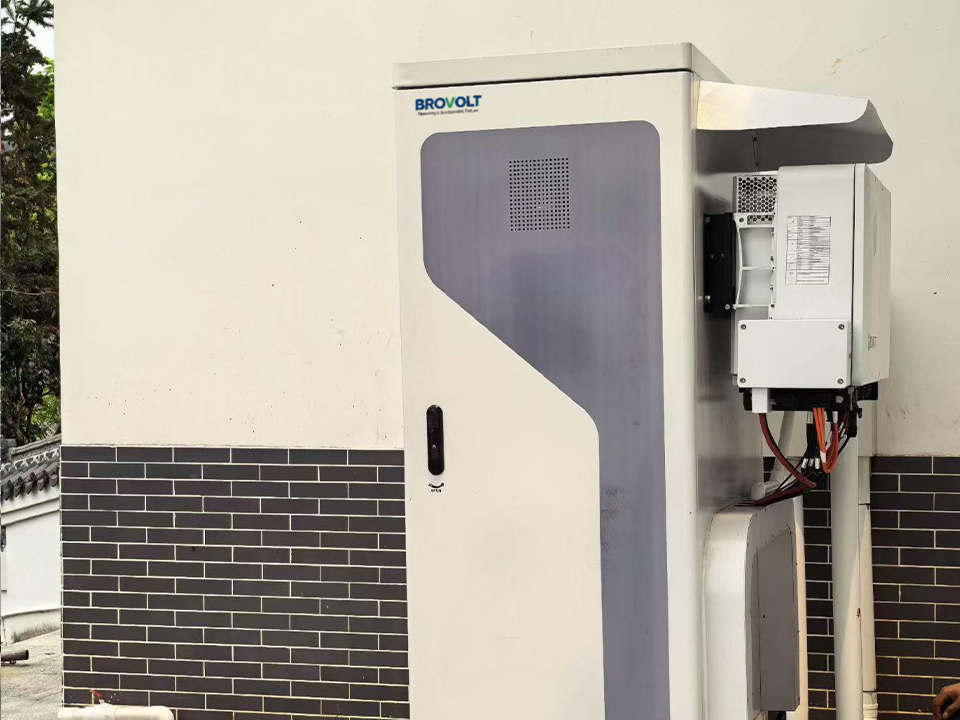
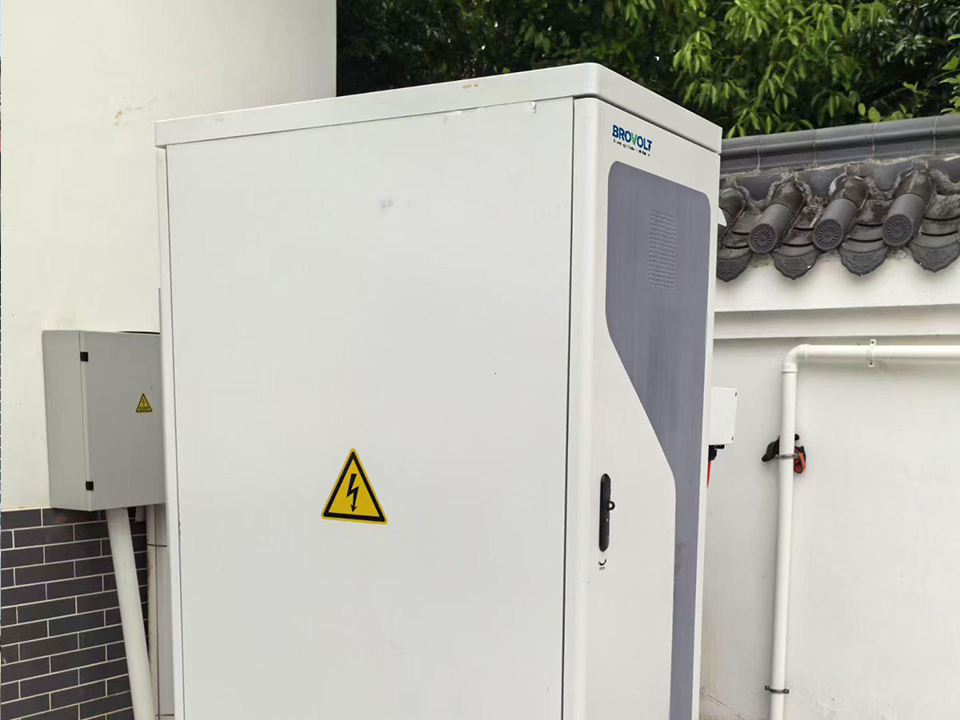
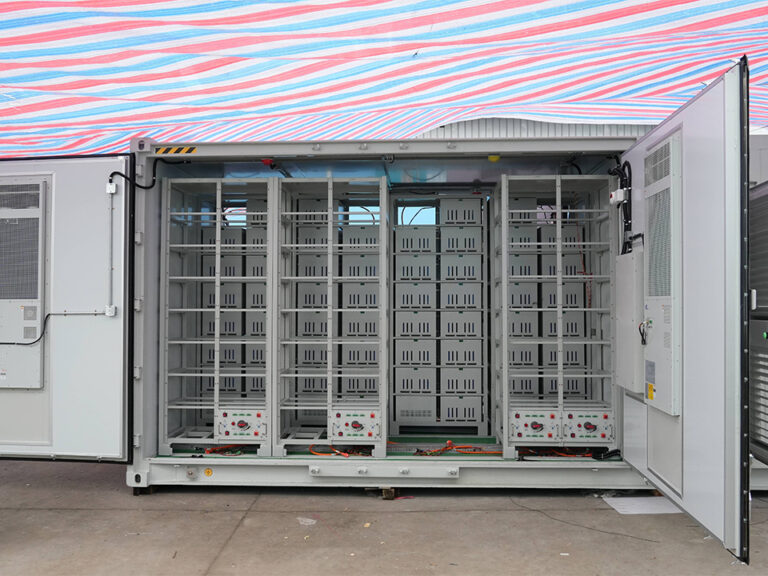
Tools option and civil layout should for that reason be coordinated. A hybrid C&I LiFePO4 battery closet energy storage space system might package batteries and linked hardware inside a floor-standing enclosure, yet the project designer have to still develop finished degrees, water drainage falls, clearances, upkeep accessibility, and incident-water controls around that closet.
NFPA 855 develops minimum hazard-mitigation demands for fixed energy storage space installments, however fire-code compliance does not replace hydrology, hydraulic modelling, disintegration style, pollution control, or flood-safe access preparation. Those workstreams have to meet in the exact same collection of illustrations.
Begin With Water Pathways, Not Battery Containers
I would begin every BESS flooding threat assessment with one candid inquiry: where does water travel prior to the website exists?
The response has to cover more than mapped river flooding. The analysis should map:
Off-site drainage entering from higher ground
Existing ditches, field drains pipes, swales, culverts, and low points
Surface-water ponding inside the recommended substance
Groundwater emergence and seasonal water degrees
Runoff leaving the site towards roads, homes, and gutters
Flood impacts on the primary and additional accessibility paths
The location of contaminated water after a battery incident
That last factor is typically deferred to the fire consultant. Poor concept.
The fire strategy may define water demand, tactical reaction, separation ranges, and emergency situation procedures, while the drain method quietly assumes every drop entering a gully is ordinary rainwater. Unless a person requires both documents to speak to each other, the site can wind up without any legitimate method for isolating event overflow.
A 2024 evaluation for the Corshellach energy-storage development in Scotland illustrates an additional forgotten danger. The recommended battery compound was outside mapped fluvial and surface-water flooding locations, yet part of its personal access roadway crossed an area identified with a 10% annual exceedance likelihood and potential flooding midsts of as much as one metre. The compound looked safe on the map. Access did not.
That distinction issues.
A BESS that continues to be physically completely dry yet can not be safely reached, isolated, inspected, or serviced is not resistant.
Exactly How to Design Water Drainage for a BESS Website
The layout process should relocate from catchment understanding to hydraulic evidence, not from a recommended basin shape backward to practical assumptions.
Develop existing conditions
Obtain a thorough topographical survey extending beyond the red-line limit. A study clipped firmly around the recommended fence might miss out on the upstream anxiety, roadside ditch, culvert, or surrounding outfall regulating the entire drainage response.
Review soil seepage data, groundwater levels, geology, contamination constraints, historic flooding, flood maps, rainfall information, existing drain assets, and noticeable proof such as debris deposits or flattened vegetation.
And stroll the site.
Desktop mapping works, however it does not show every obstructed pipeline, wheel rut, fell down area drainpipe, casual bund, or reduced section of road.
Specify pre-development overflow
For greenfield land, determine existing peak drainage prices and drainage volumes making use of the locally accepted approach. Relying on territory, that might involve IH124, FEH methods, NRCS Contour Number estimations, Rational Technique checks, continual simulation, or another approved treatment.
The objective is usually to avoid post-development peak discharge from exceeding the matching pre-development or greenfield price.
Do not adjust the catchment limit to make the storage space volume smaller. Reviewers discover. Floodwater does also.
Model post-development surfaces honestly
Categorize each surface according to its actual hydraulic efficiency:
Concrete structures and roofs
Asphalt roadways
Compressed aggregate
Absorptive aggregate over free-draining subgrade
Designed areas
Cable trenches and equipment plinths
Transformer control areas
Future expansion areas
Words “crushed rock” does not automatically suggest permeable. Accumulation over heavily compressed or low-permeability formation can act much closer to hardstanding during extreme rains.
A 215kWh C&I LiFePO4 battery cabinet might occupy a small specific impact, yet rows of cabinets, solution clearances, concrete pads, inner roads, cooling down gain access to, and associated PCS facilities jointly figure out the developed overflow action.
Check a number of storm durations
Developers occasionally compute one convenient rains duration and stop. That can miss the controlling event.
A short, intense tornado may govern pipeline or channel capacity. A longer event may produce the optimum attenuation quantity. Saturated antecedent conditions might minimize infiltration. An obstructed outfall might regulate exceedance behavior.
Run the called for return durations and essential durations, consisting of the suitable climate-change allocation. Then examination what occurs when the formal water drainage system goes beyond ability.
Where does the water go?
“Off site” is not an engineering answer.
Establish completed levels and exceedance courses
Finished levels must route overflow far from battery enclosures, transformers, doors, vents, emergency situation controls, and cable television penetrations.
But overgrading can produce a different trouble: fast circulation, disintegration, hard lorry movement, or concentrated discharge toward another asset. The substance needs controlled falls, defined collection points, and a noticeable major-storm path that does not depend entirely on buried pipelines.
The preferred power structure is easy:
Keep upstream runoff outside the compound where practicable
Drain pipes regular rains toward treatment and depletion
Shield tools with altitude and regional grading
Route exceedance far from battery rows and occupied locations
Avoid uncontrolled discharge onto surrounding residential property or public roadways
Easy principle. Tough execution.
Separate Regular Stormwater From Firewater
This is where weak styles are subjected.
Routine rains should generally go through the site’s stormwater therapy and attenuation system. Firewater or occurrence drainage ought to can rapid seclusion before it gets to an uncontrolled outfall.
Those are various operating modes.
A defensible design may make use of actuated shutoffs, hands-on penstocks, usually shut occurrence drains pipes, zoned containment, lined sumps, isolation chambers, different impoundment fish ponds, mobile pumping links, or combinations of these steps. The final setup should match the emergency strategy and the fire solution’s desired response.
The 2024 East End BESS drainage approach in England recommended a different 230 m two firewater impoundment fish pond, separated from the website’s lasting drainage attenuation fish ponds. That splitting up is not bureaucratic design; it stops possibly polluted case water from being instantly released through a system developed for ordinary rainfall.
An extra recent Lime Down D method made use of a style basis of 1,900 litres per minute for at the very least 2 hours, equal to 228 m two of recommendation firewater storage. It additionally needed the drain system to be isolatable, either as one system or through individually controlled zones.
Below is my opinion: every energy or industrial BESS drainage report need to consist of an easy incident-mode diagram showing which valves close, where the water gathers, who operates the controls, just how storage capability is validated, where samples are taken, and exactly how the preserved water is removed.
Without that layout, “firewater control” is commonly just a sentence.
For cabinet-scale tasks, the same sychronisation is required also where the outright volume is smaller. A 125kW 261kWh LiFePO4 energy storage cupboard has actually specified power and power ratings, but its project spec still needs enclosure-clearance demands, drainage interfaces, isolation logic, and site-specific emergency-water presumptions.
What 2024 BESS Job Information Informs United States
Actual project files are better than generic advertising diagrams due to the fact that they reveal the numbers customers in fact anticipate.
The Corshellach drain strategy resolved a 0.79-hectare BESS substance. Its suggested depletion container was designed for a 1-in-200-year occasion with a 42% climate-change allocation, while discharge was limited to a calculated greenfield rate of 6.25 litres per secondly. The style also examined whether storage space from a 1-in-30-year occasion might drain pipes within 24 hr; the reported 491 m ³ quantity was determined to empty in roughly 21.82 hours.
The East End BESS research study examined a suggested 400 MW task on farming land. It computed a 1-in-100-year greenfield optimal rate of 91.78 litres per 2nd, after that determined a need for about 2,478.3 m five of stormwater depletion during the six-hour event when applying the stated environment allocation and discharge controls.
The proposed Capricorn BESS in Queensland was referred to as a 300 MW/1,200 MWh advancement with 525 battery containers. Its 2024 stormwater assessment identified parts of the north site location within the indicative 1% yearly exceedance chance flooding extent and alerted that local-road disturbance can impact access, even where straight compound impacts were restricted.
3 tasks. 3 different hydrological contexts.
That is precisely why duplicating a standard drain information from the previous BESS is indefensible.
Limit discharge to the approved greenfield or pre-development rate
Storage quantity
Make use of one rainfall duration
Test important durations, long-duration storms, environment allowance, blocked outlets, and drawdown time
Significant exceedance
Pipelines will manage the layout event
Give a visible overland route away from batteries, transformers, buildings, and emergency situation access
Firewater
Send it into the depletion basin
Supply seclusion, committed capacity, sampling, pumping, and an authorized disposal route
Gain access to
The container continues to be completely dry
Demonstrate that emergency cars and operators can safely reach and leave the center
Upkeep
The container is passive
Specify inspections, sediment elimination, plant life control, valve testing, and post-storm checks
Decommissioning
Drain stays forever
Discuss exactly how drain assets, structures, culverts, and modified circulation courses will be removed or preserved
These values and demands are not universal layout limitations. Local authorities might need 1% AEP, 0.5% AEP, 0.2% AEP, 100-year, 200-year, or other events, with jurisdiction-specific environment uplifts and freeboard.
The table is a design conversation starter, not an alternative to computations.
Building and construction Stormwater Is Not a Temporary Detail
Operational water drainage obtains most of the interest, however building may produce the website’s greatest debris lots.
Clearing, grading, excavation, accumulations, trenching, short-term roads, concrete jobs, dewatering, and heavy-vehicle movements disturb soil before the long-term drain system is ready. A BESS compound can be tiny in electric terms and still activate construction-stormwater permitting.
In the United States, Clean Water Act permit insurance coverage is normally needed for building and construction disturbing at least one acre, including smaller sized private locations that create part of a common advancement ultimately disturbing one acre or more.
A project-specific stormwater pollution avoidance plan ought to coordinate:
Clean-water diversion around disturbed areas
Maintained building and construction access
Stockpile positioning
Debris traps, inspect dams, and boundary controls
Concrete washout
Dewatering treatment
Spill-response materials
Dynamic stablizing
Assessment after certifying rainfall
Conversion from momentary to long-term water drainage
The sequencing issues. Mounting a container after the compound has actually already released debris for six months is not disintegration control.
Finest Stormwater Layout Practices for BESS Sites
The very best stormwater management prepare for battery storage websites is developed around failure, not positive outlook.
Maintain clean water clean
Obstruct upstream drainage prior to it gets in the operational substance. Diverting uncontaminated water around the facility can minimize pipe sizes, therapy demand, depletion quantity, and incident-containment exposure.
Elevate selectively
Raise equipment that can not tolerate inundation, yet avoid creating isolated pads that obstruct circulation or trap water around surrounding possessions. Battery containers, PCS devices, transformers, switchgear, control areas, and communications tools might need various elevations.
Usage therapy trains
A therapy train might integrate source control, permeable appearing, filter drains, vegetated swales, debris forebays, depletion containers, and regulated electrical outlets. The objective is not just peak-flow decrease; it is also debris capture, pollutant control, examination accessibility, and operational redundancy.
Make seclusion testable
Shutoffs and penstocks ought to come, labeled, secured from vehicle influence, integrated right into emergency situation procedures, and exercised occasionally.
An isolation shutoff no one can find at 2 a.m. is decorative infrastructure.
Safeguard the gain access to roadway
Design the road, culverts, reduced crossings, gates, bridge methods, and transforming areas. Confirm emergency-vehicle loads, flood deepness, rate, particles exposure, and alternate access.
Design for upkeep machinery
Supply secure accessibility to basins, headwalls, circulation controls, filter drains pipes, and sediment forebays. Check trimming slopes, lifting demands, confined-space implications, and the capability to get rid of accumulated product without driving throughout online electrical corridors.
Maintain scale in viewpoint
Water drainage requirements transform with task scale, however the underlying reasoning does not. A 51.2 V 100Ah rack-mount LiFePO4 property battery pack includes regarding 5.12 kWh, while utility tasks might consist of hundreds or hundreds of MWh. The larger job demands even more civil infrastructure, yet both setups still require protection from leaks, standing water, unsuitable installing levels, and incompatible surroundings.
Often Asked Concerns
What is BESS drain design?
BESS drainage style is the coordinated civil, hydraulic, ecological, and emergency-response strategy that keeps rains, upstream overflow, groundwater, and firefighting water from flooding battery tools, getting away off website, or overwhelming downstream systems while protecting secure accessibility, maintainable circulation paths, controlled discharge rates, and documented containment throughout typical and uncommon operating conditions.
It usually includes grading, channels, pipes, culverts, absorptive surfaces, therapy steps, attenuation storage space, circulation controls, exceedance routing, firewater seclusion, and a long-lasting assessment and upkeep plan.
What should a BESS flood risk analysis consist of?
A BESS flood risk assessment is a site-specific assessment of river flooding, surface-water flow, groundwater, water drainage failure, tank or drain sources, climate-adjusted rains, tools altitudes, emergency situation accessibility, and downstream effects, used to show that the battery substance continues to be operable or falls short securely without transferring flood threat to nearby land.
The assessment should cover the substance, substation, gain access to course, cord crossings, short-lived construction jobs, outfalls, and any type of outside catchment that can send water with the growth.
Why should regular stormwater and firewater be separated?
Routine stormwater and firewater ought to be divided because tidy rains can generally be attenuated, dealt with, and released under permit problems, whereas case water may include residue, metals, electrolytes, or firefighting residues and have to be isolated, tested, pumped, and disposed of via an authorized post-incident route instead of released instantly.
The splitting up can be physical, operational, or both. What matters is that the isolation method functions throughout power loss, tools failing, serious climate, and emergency action.
What design tornado should be used for a BESS website?
The appropriate layout tornado for a BESS site is the return duration and climate-change allocation needed by the regional authority, flooding regulator, proprietor’s standard, insurance company, and project threat account, with separate checks for minor drain, major exceedance, secure access, basin freeboard, critical-duration rains, and any type of concurrent firewater containment circumstance.
One job may require a 1-in-100-year storm plus climate allowance; one more may call for a 1-in-200-year occasion. The designer should record why the chosen events are adequate.
Is permeable rock the best surface for a BESS compound?
Absorptive rock is not immediately the most effective BESS surface because seepage relies on verified soil leaks in the structure, groundwater splitting up, pollutant sensitivity, frost actions, tons capacity, weed control, cable-trench describing, and emergency situation control; where infiltration is harmful or unstable, lined depletion and controlled discharge might be the much more defensible design selection.
The decision ought to follow infiltration testing and operational-risk review, not a common spec replicated from a solar project.
Style the Battery and the Site as One System
The battery supplier can specify voltage, chemistry, capability, air conditioning, communications, and room requirements. The civil designer can calculate degrees, overflow, storage space, pipes, channels, and outfalls.
Neither discipline can safely work in isolation.
Before purchase or final design approval, bring the battery maker, civil developer, fire professional, ecological adviser, emergency situation -responders, and task driver into the very same review. Validate equipment altitudes, clearances, structure user interfaces, water paths, seclusion controls, control volumes, and maintenance obligations while the layout can still alter.
That is less costly than moving a container later on.
And far more affordable than clarifying why the emergency situation entry is undersea.